320
2,550 SFSituated along a busy primary street, this home was conceived as a deliberate retreat—an inward-focused sanctuary that shields its occupants from noise and visual exposure while remaining connected to its neighborhood.
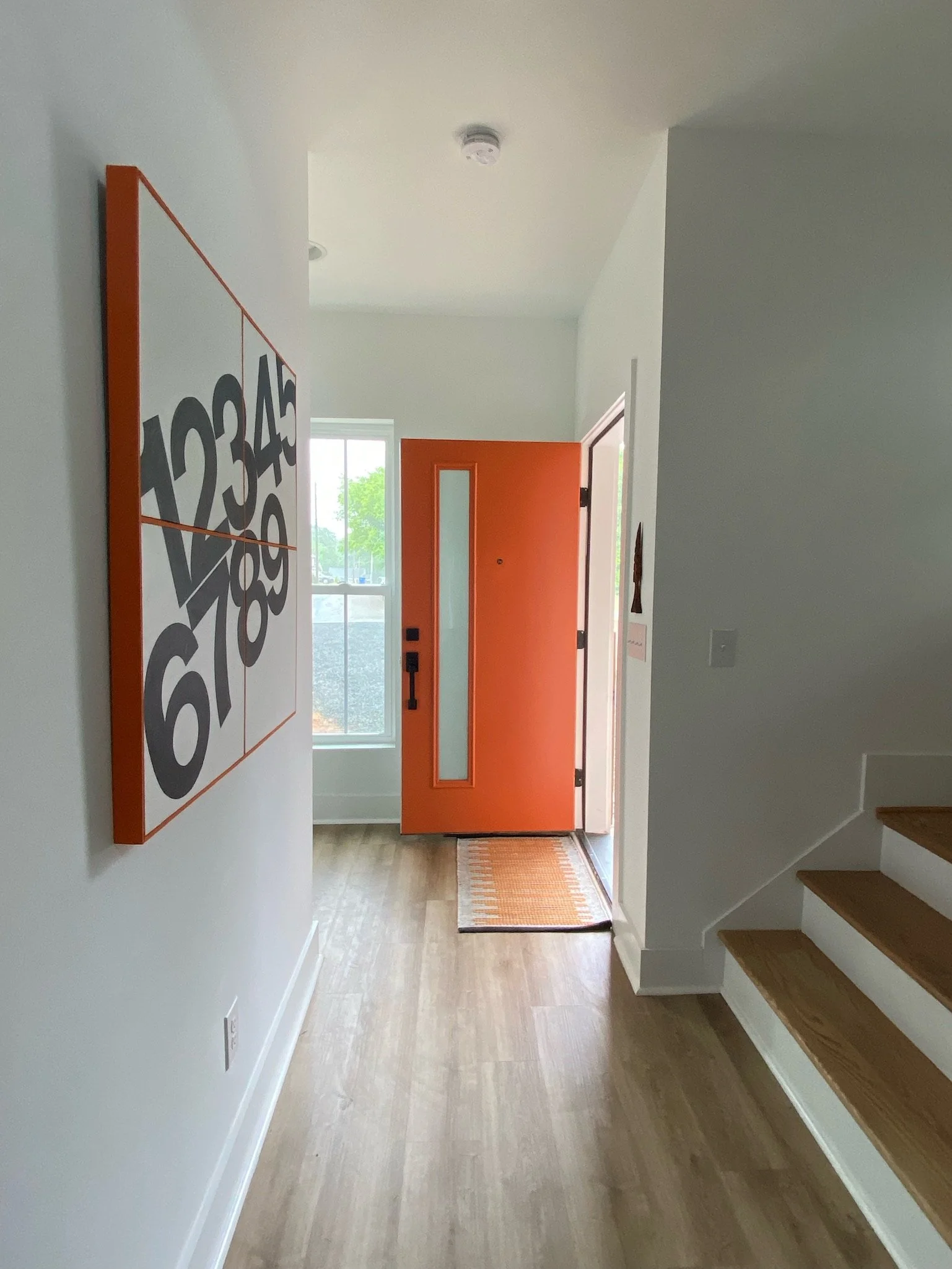
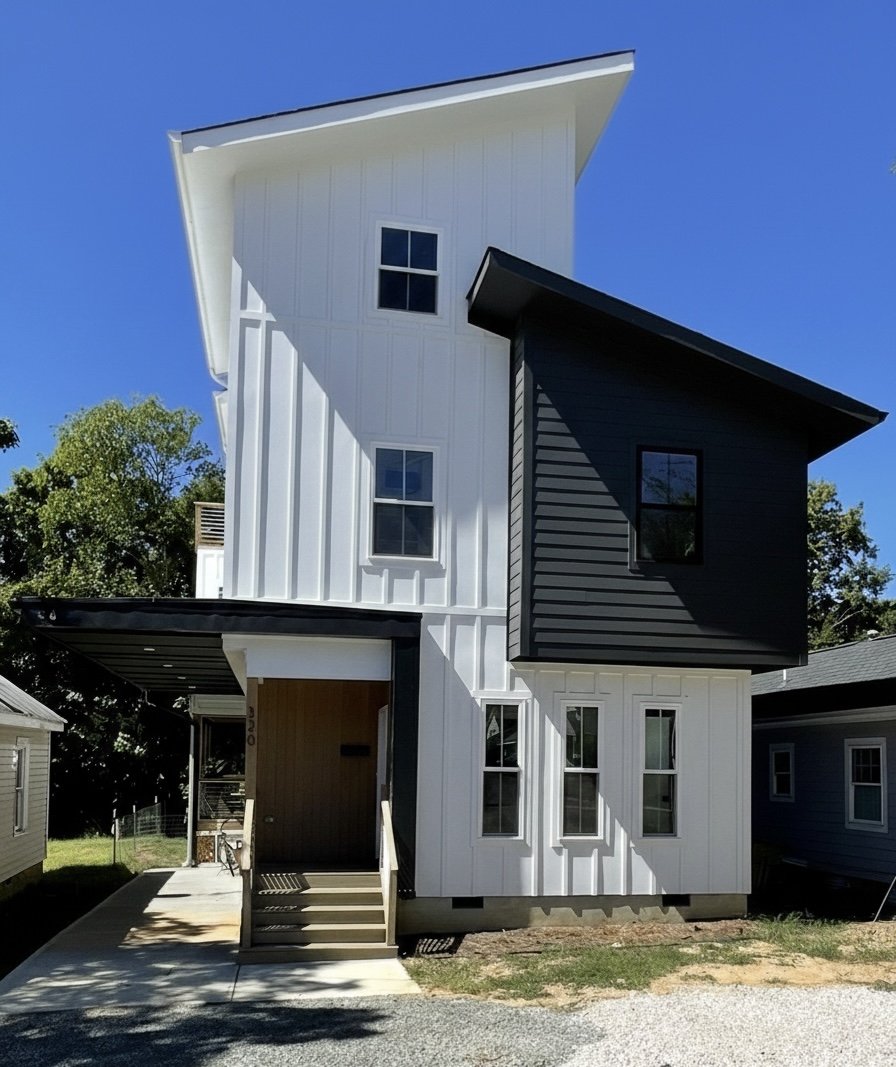
The entry sequence was intentionally reoriented away from the road to create a sense of arrival and privacy. Service spaces were strategically placed along the east façade, forming a protective buffer that insulates the primary living areas from street activity. This simple but disciplined planning move transforms the experience of the home—from exposed to calm, from reactive to intentional.
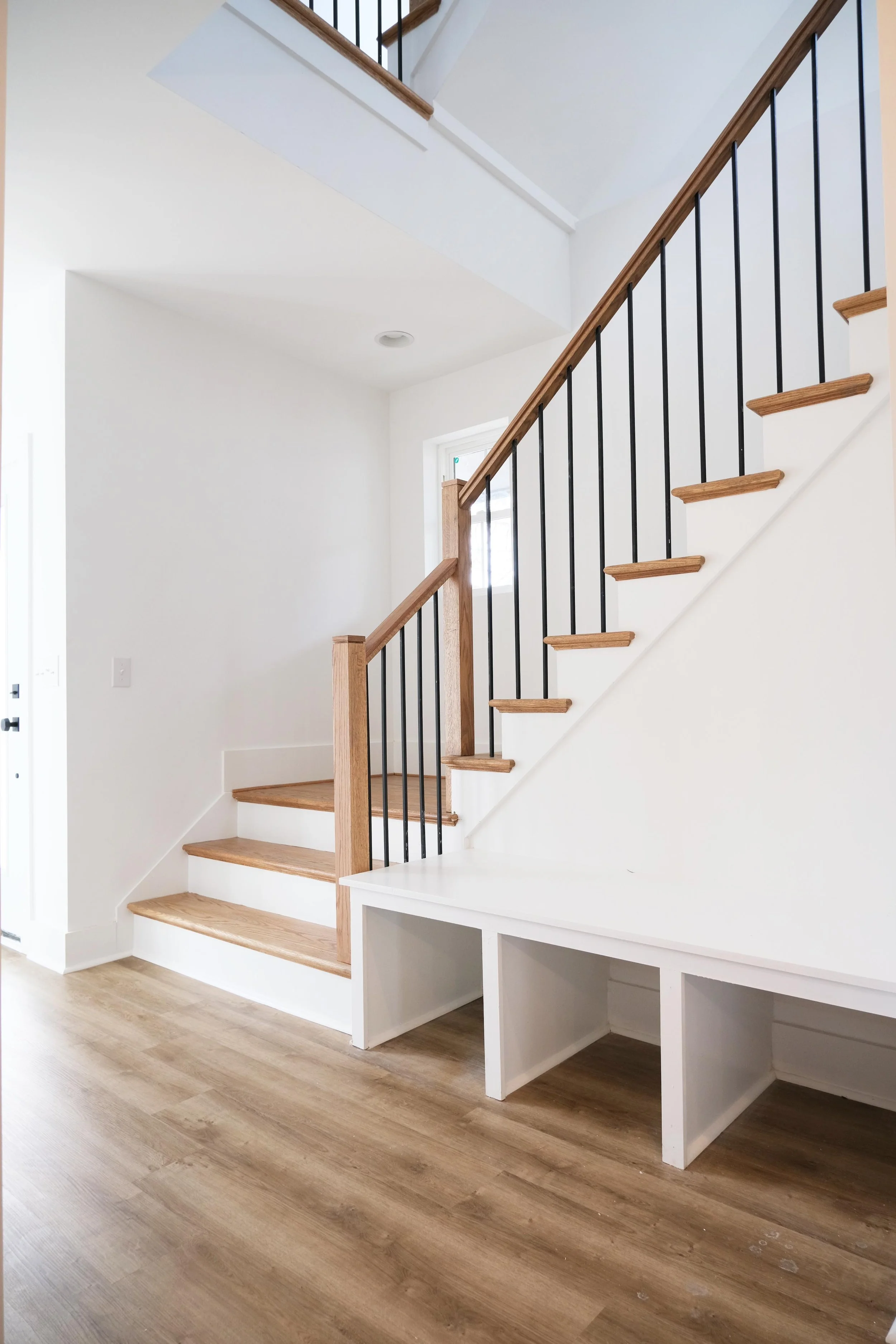
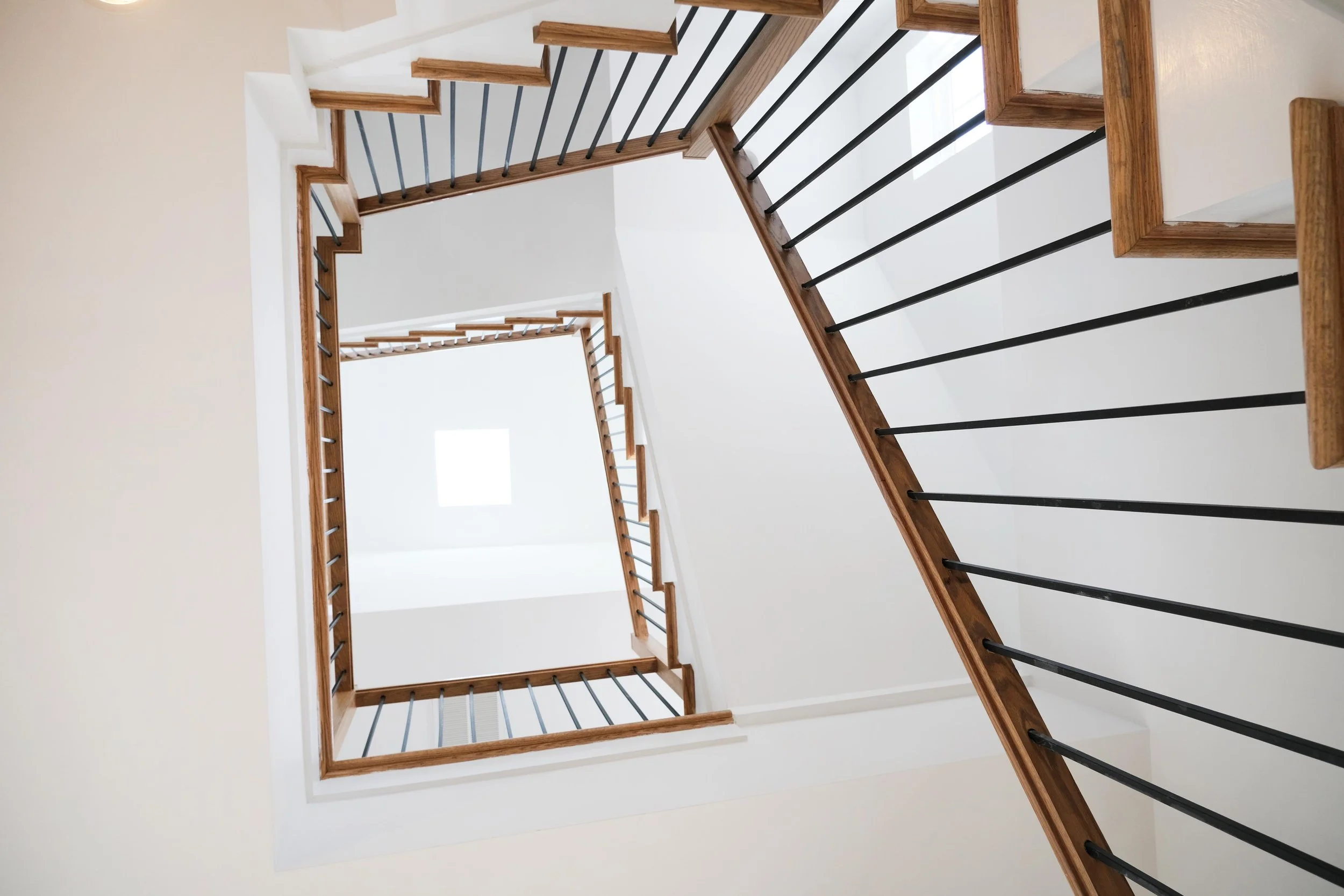
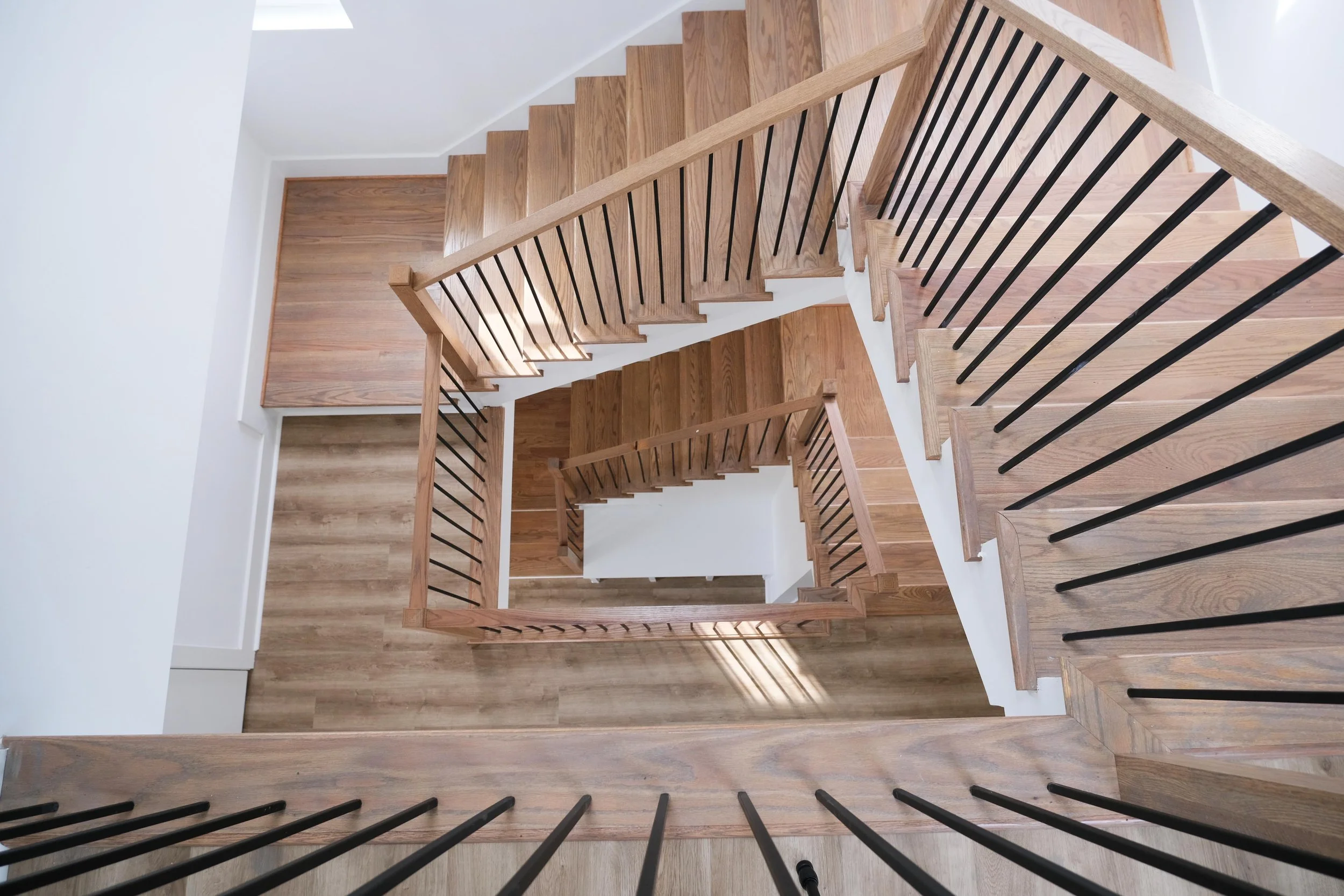
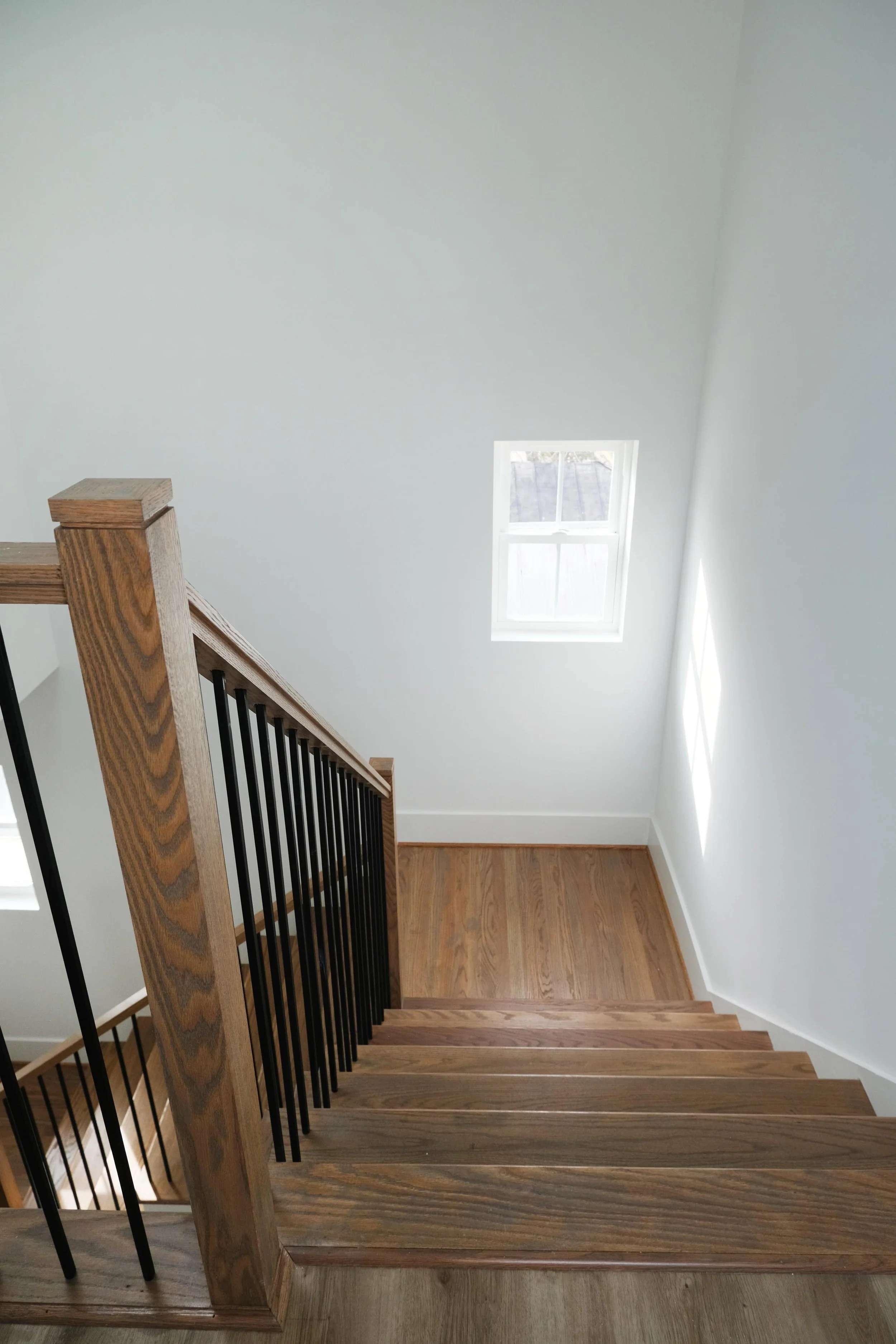
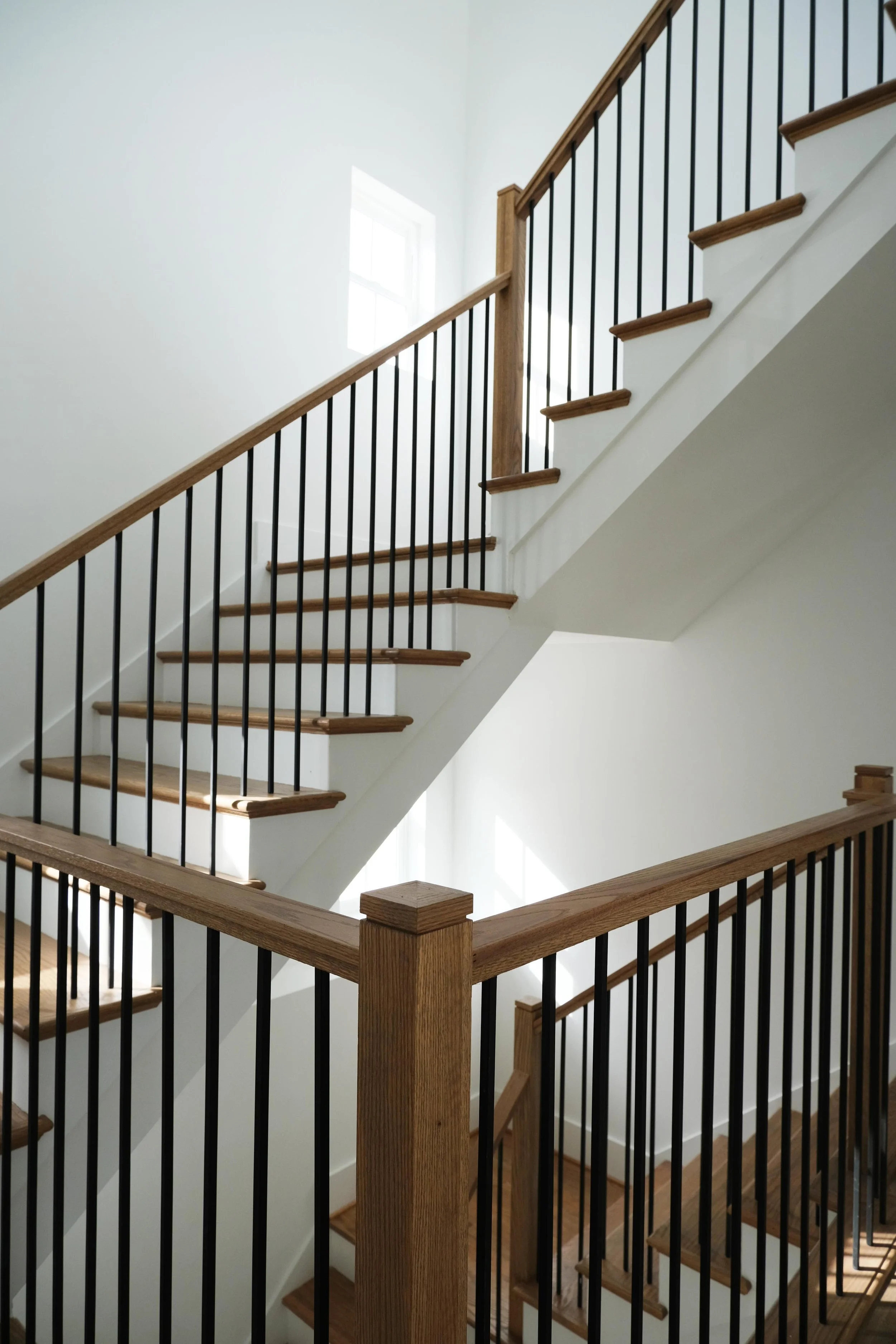
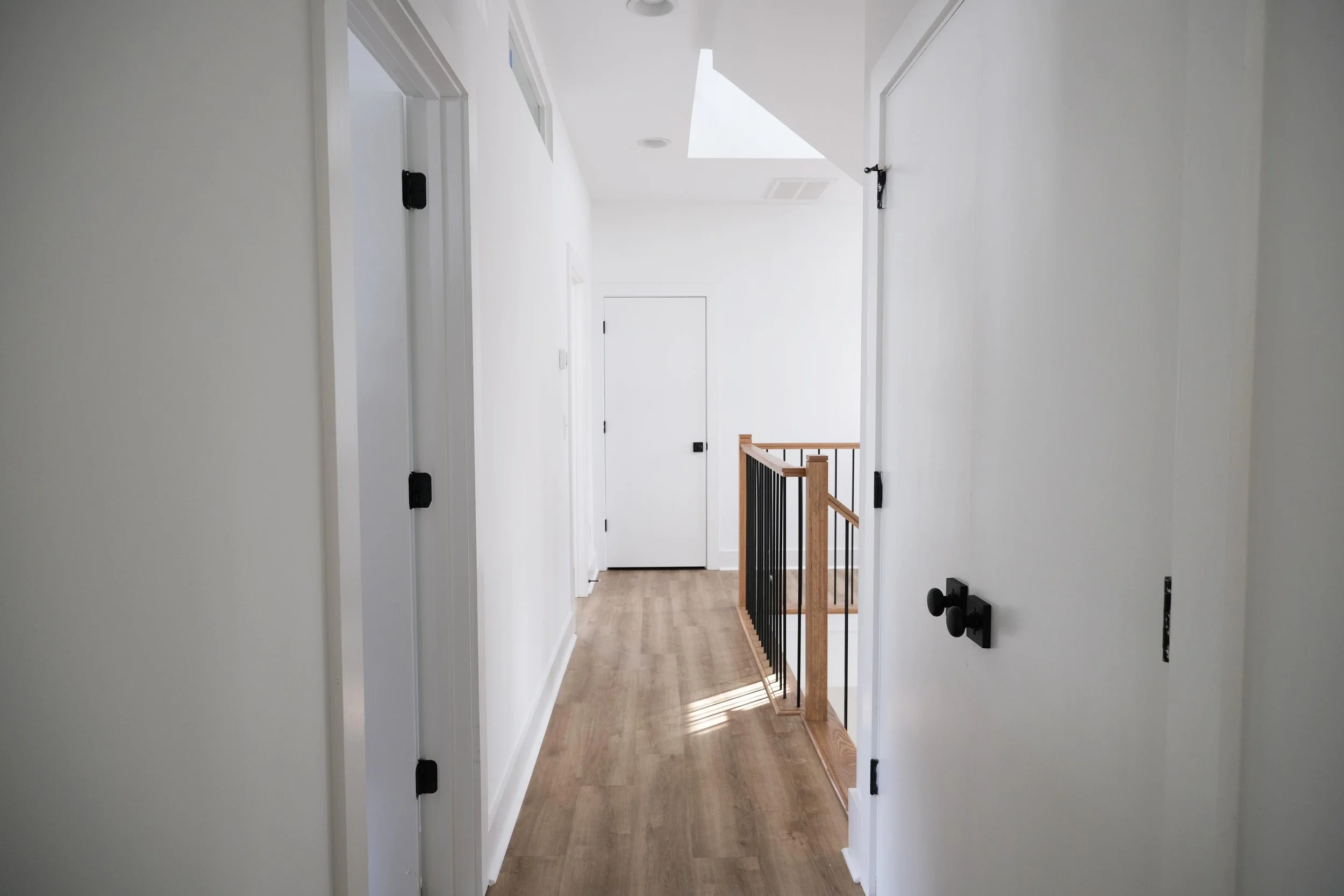
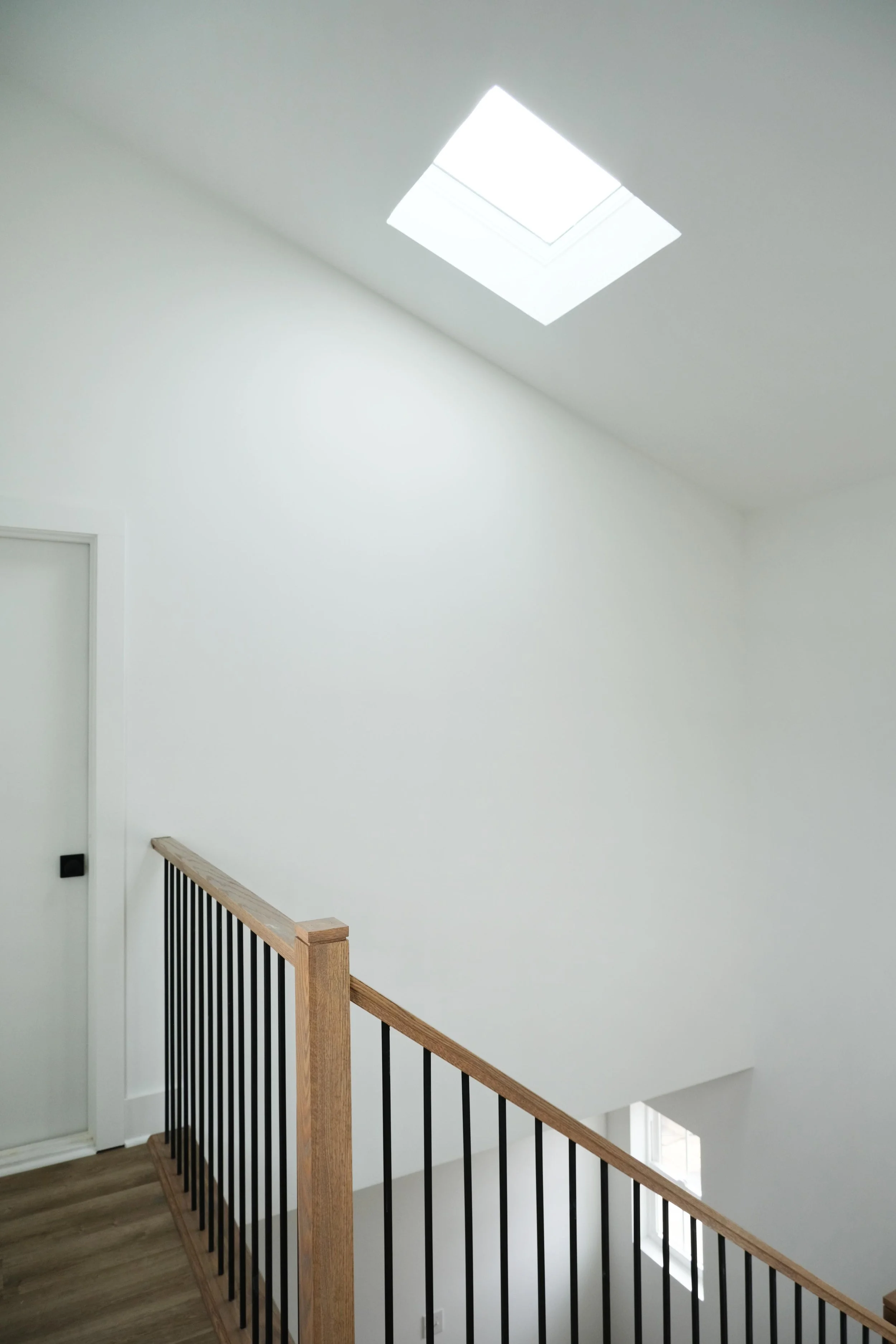
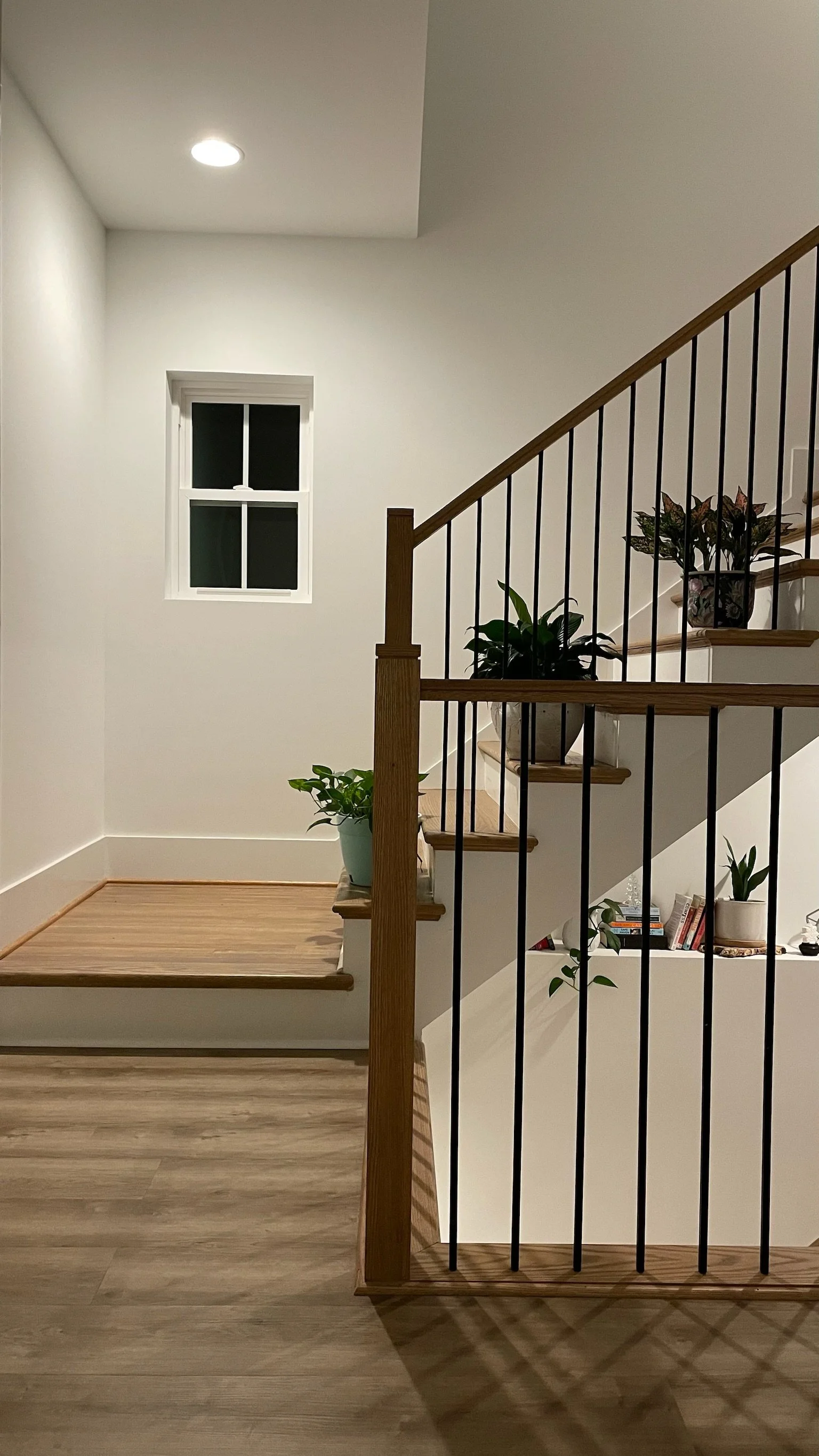
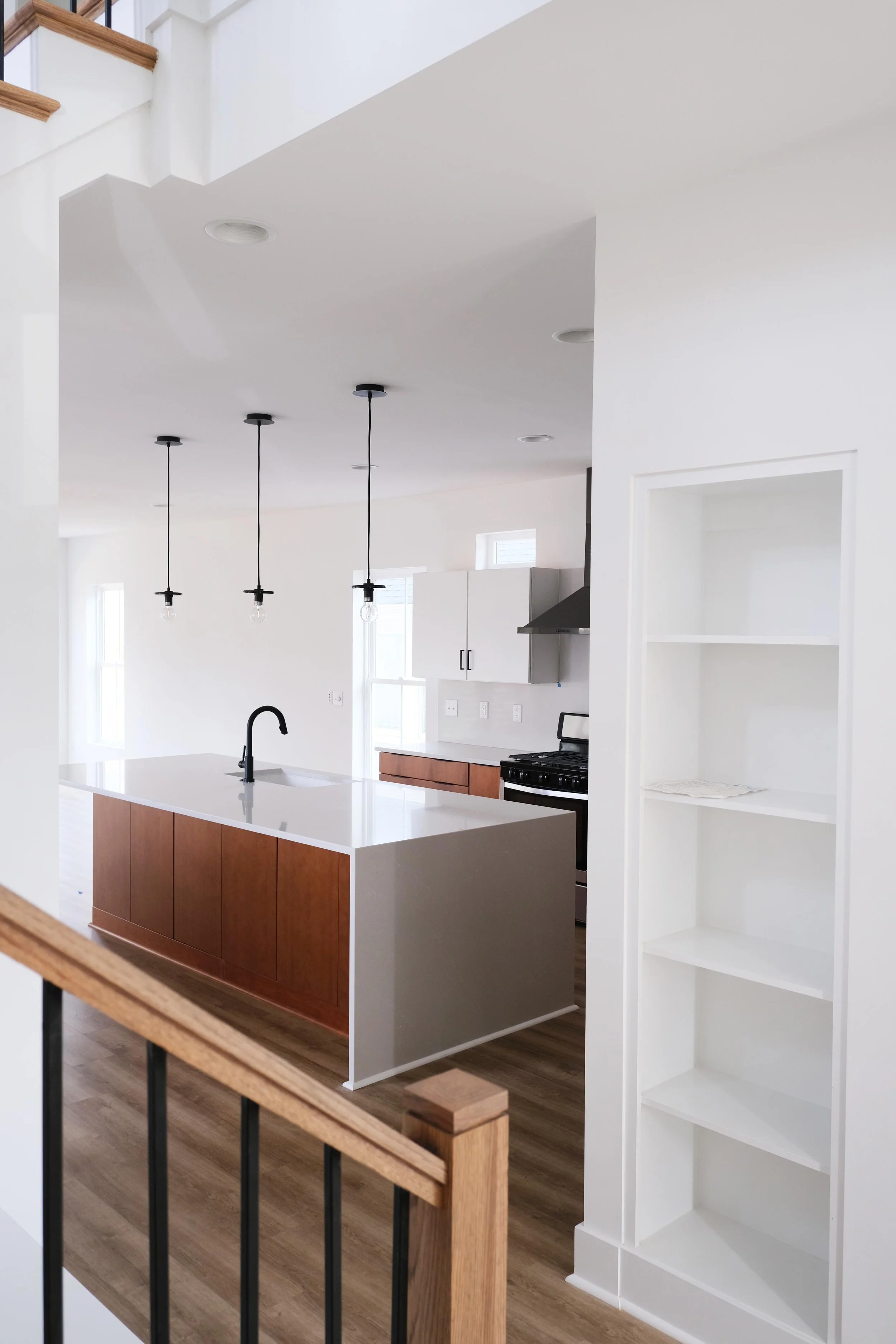
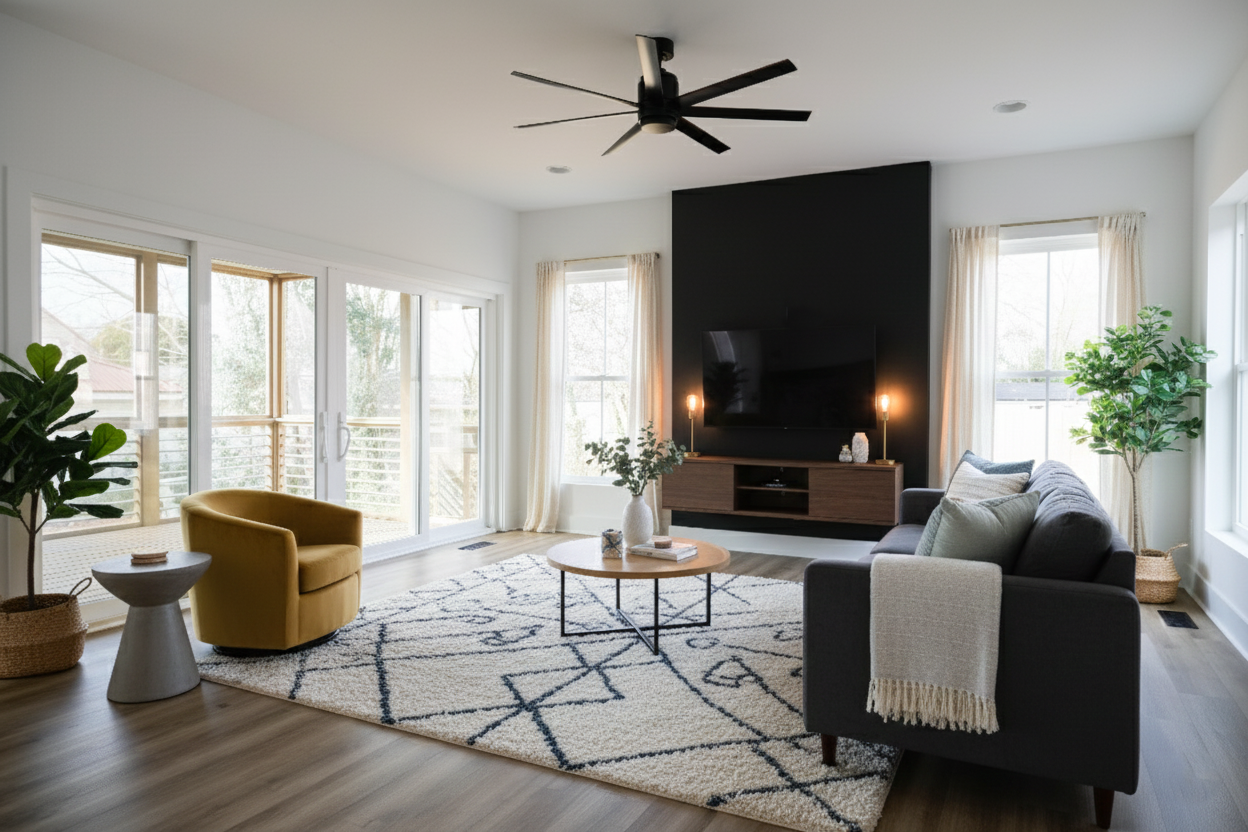
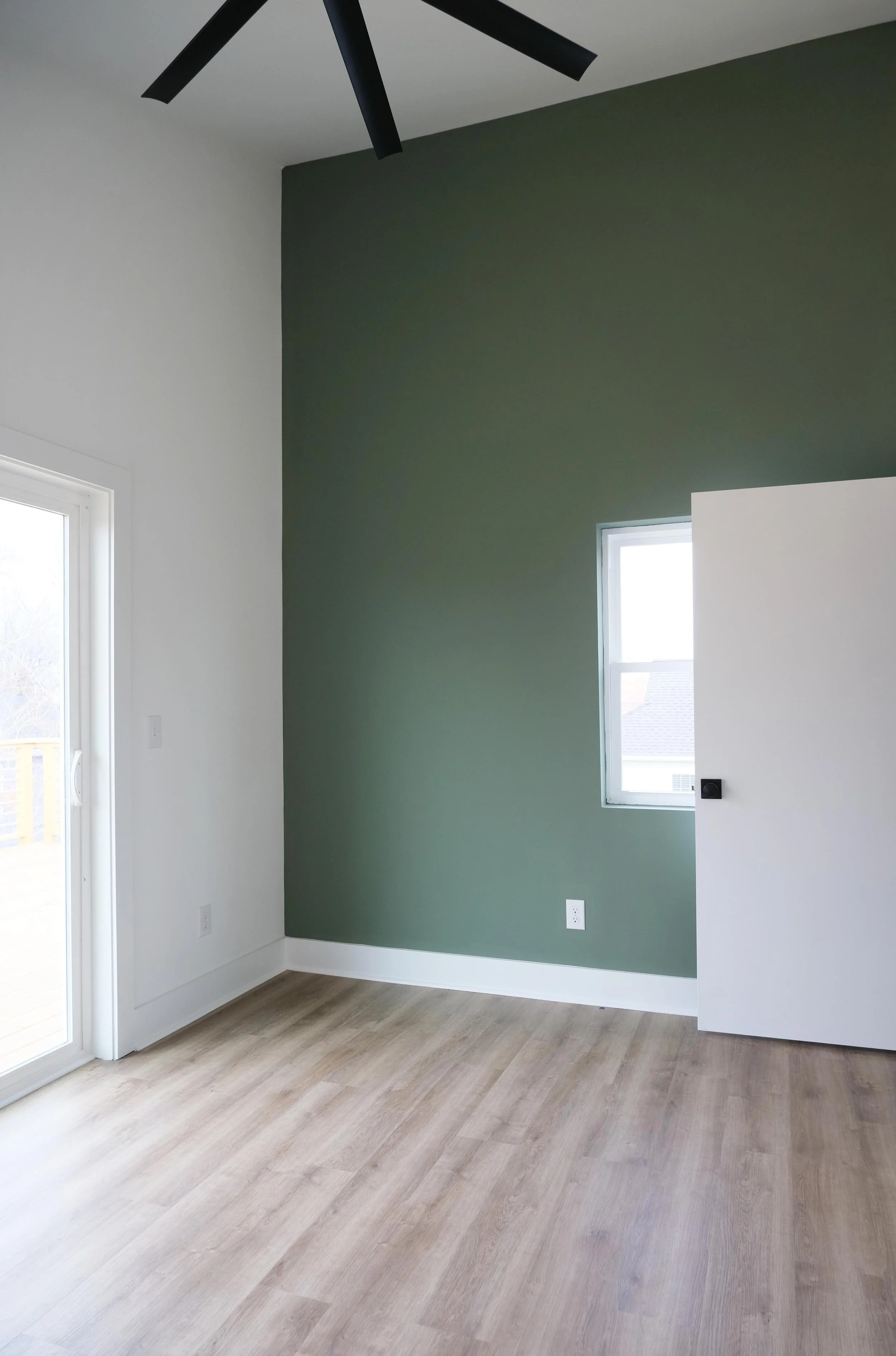
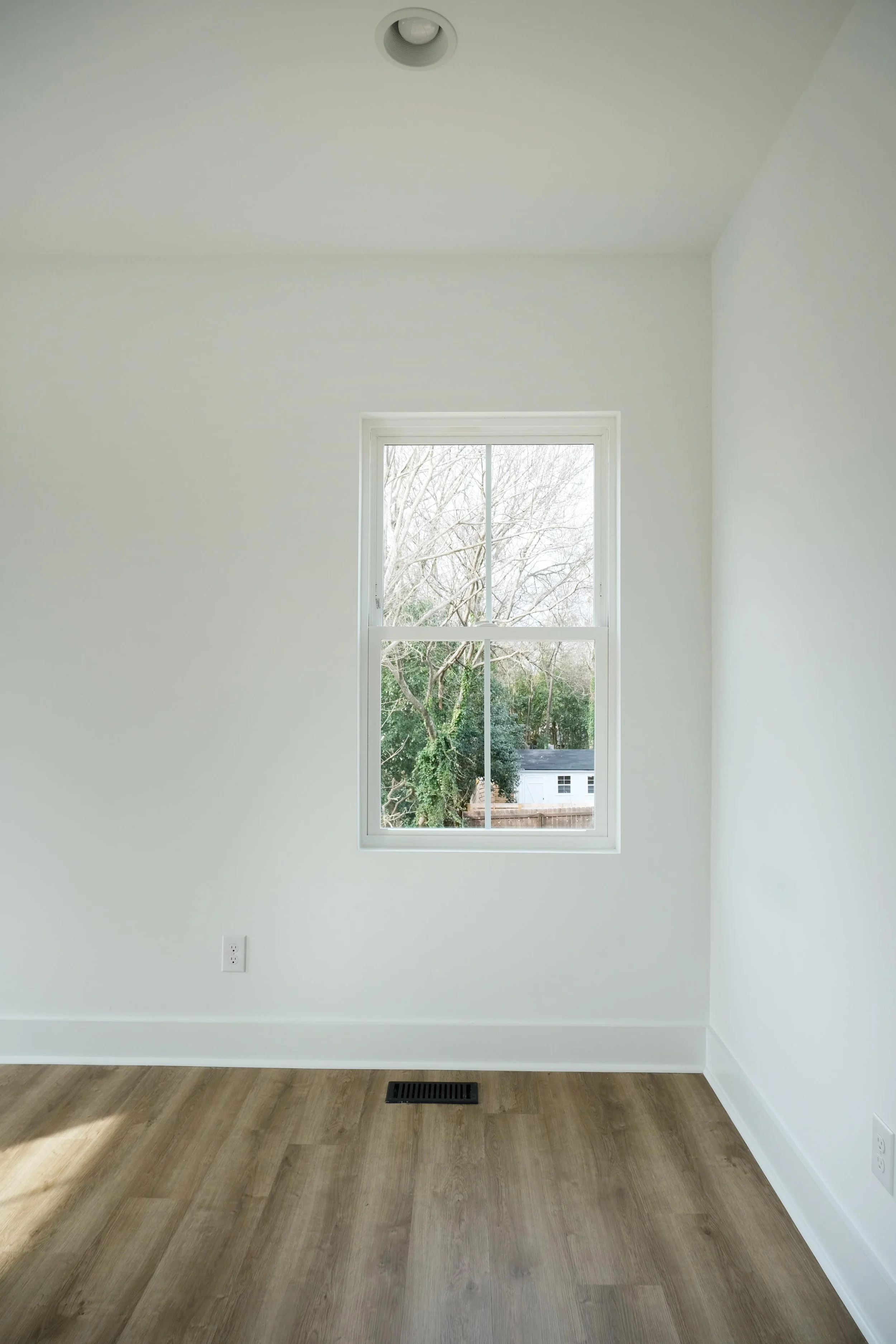
Inside, an open floor plan was not merely an aesthetic decision, but a performance strategy. The spatial layout maximizes efficiency while allowing natural systems to work as part of the architecture. Tall operable windows, paired with a central open stair core, create a passive ventilation stack effect, drawing fresh air through the home, reducing reliance on mechanical cooling, and filling the interior with balanced daylight.
Solar orientation played a critical role in shaping the exterior form. The carport and screened porch are positioned along the southern elevation to mitigate summer heat gain while allowing low winter sun to warm the interior. These calibrated moves enhance comfort while lowering long-term energy demands.
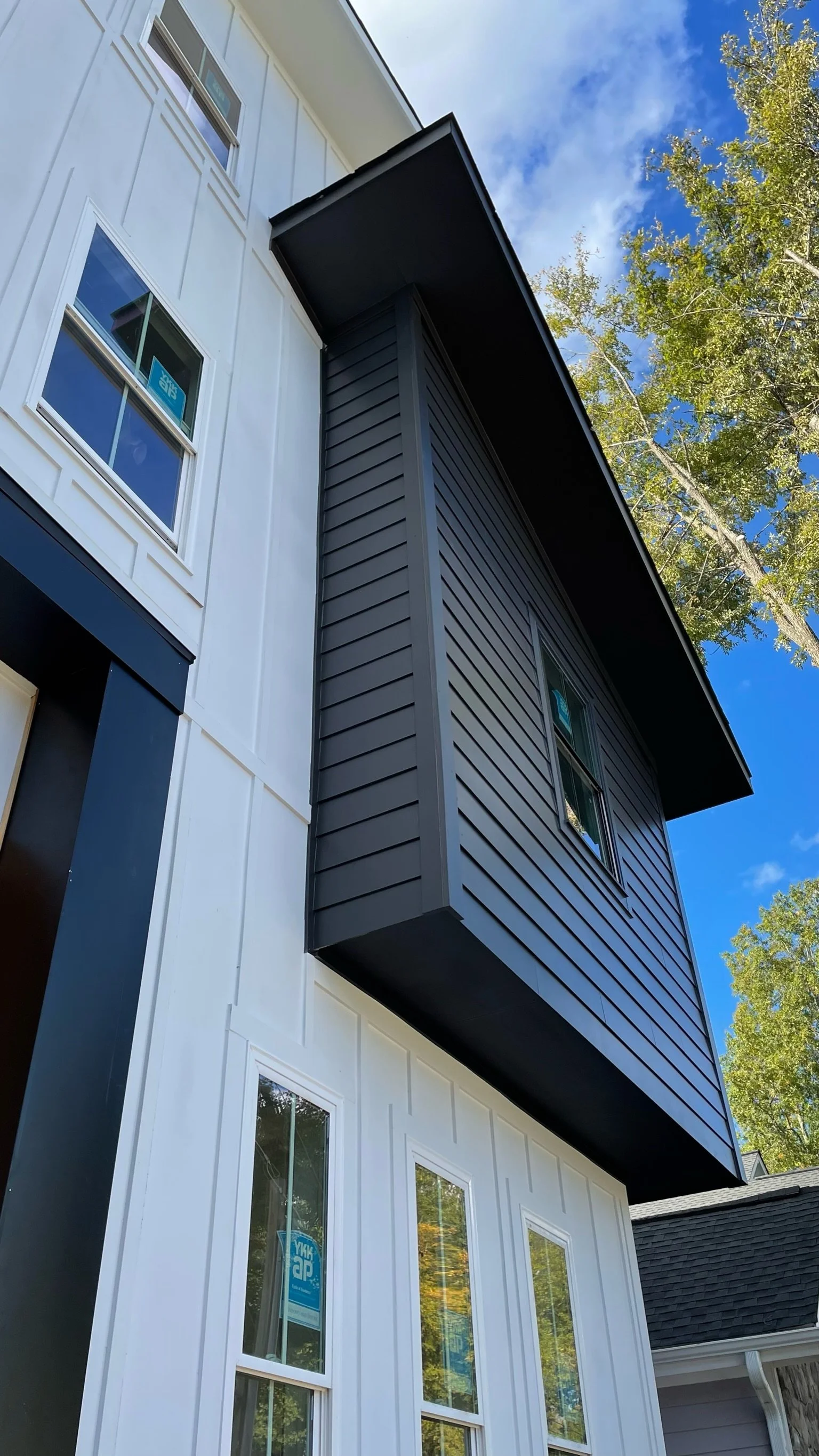
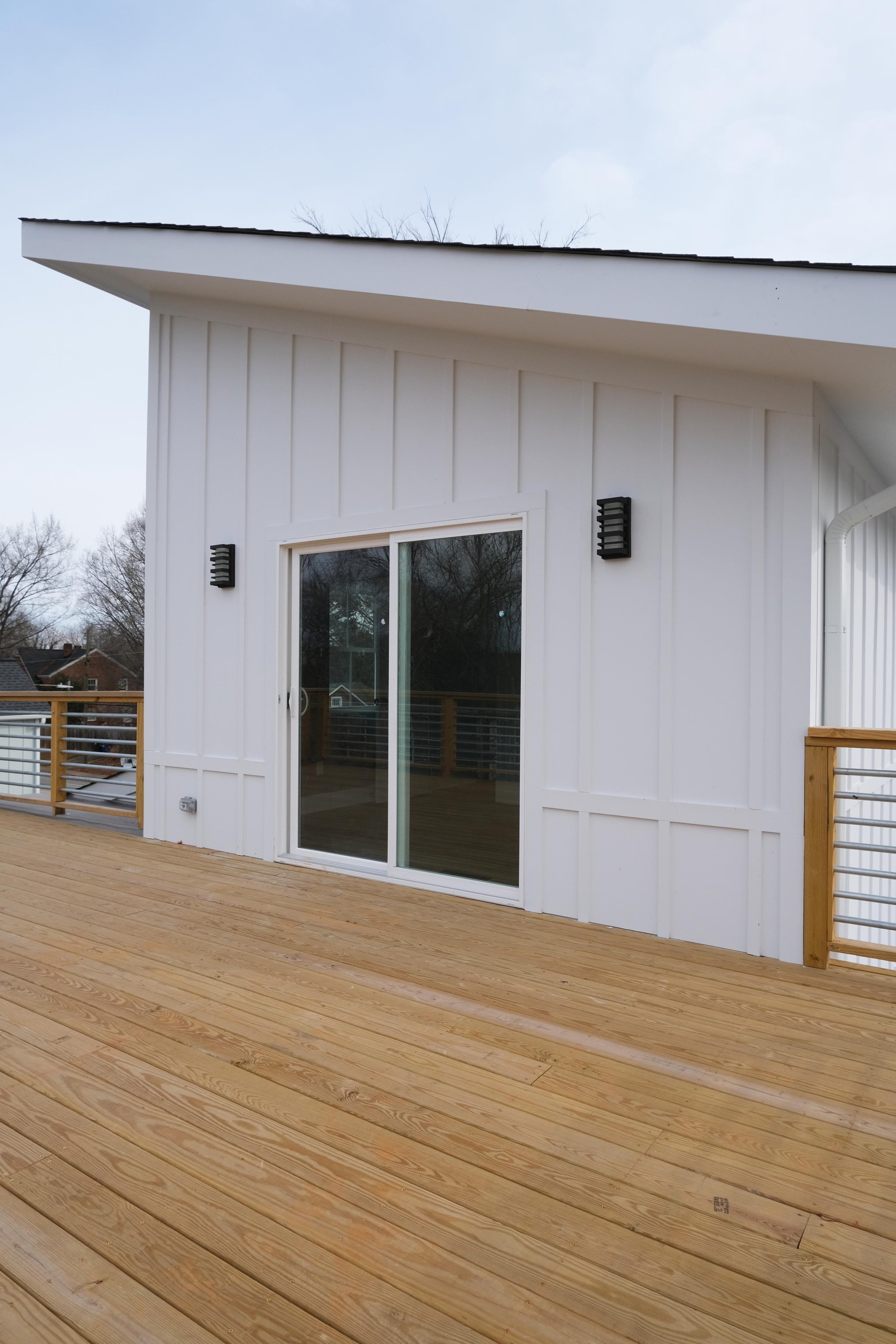
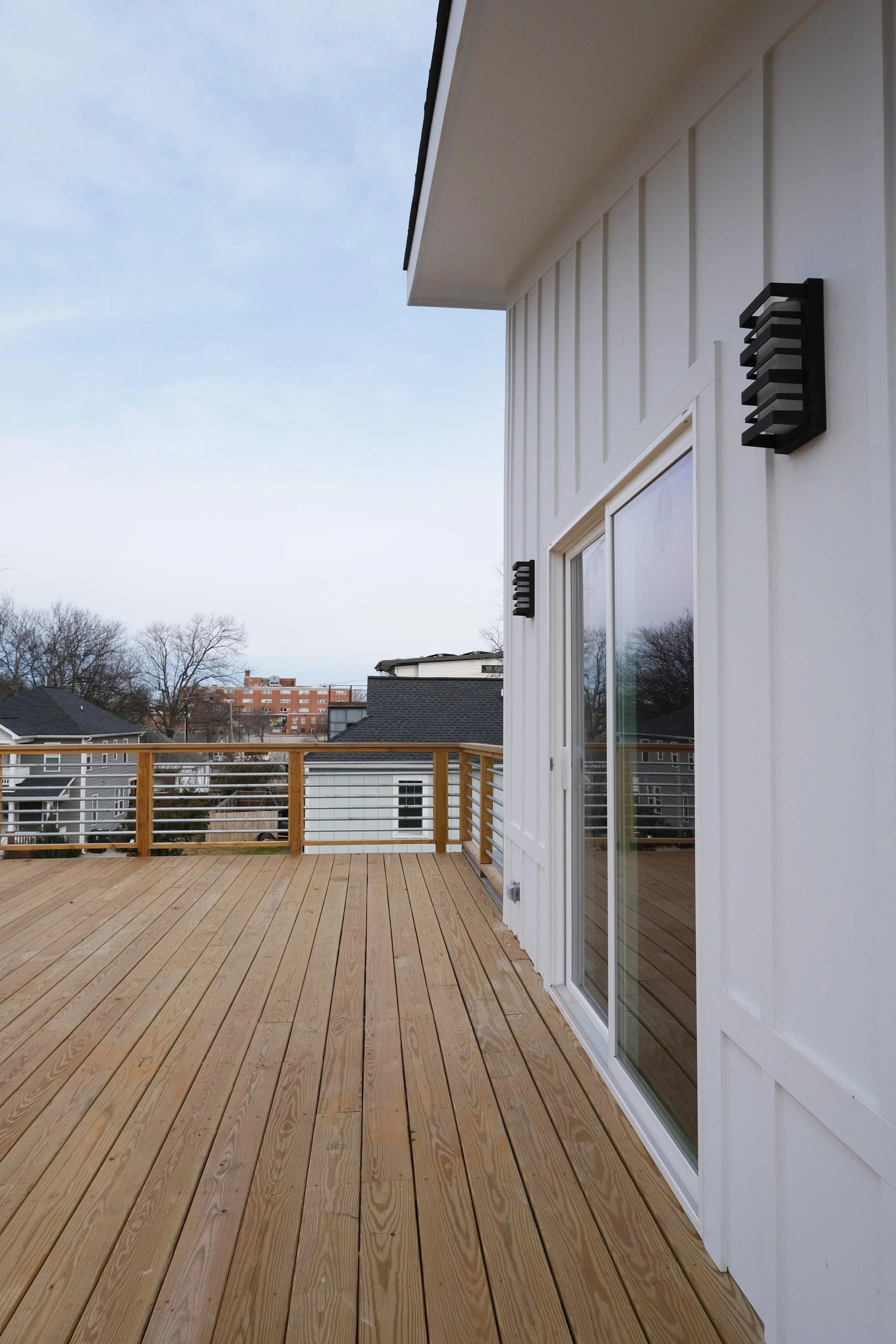
Architecturally, the home draws from the vernacular language of the surrounding neighborhood, reinterpreting familiar forms through a modern lens. The result is a residence that feels contextual yet distinct, quietly confident rather than visually loud.
Delivered during pandemic-related supply disruptions and within a constrained budget, the project demonstrates disciplined decision-making and cost awareness without sacrificing performance or refinement. The outcome is a home that balances environmental responsibility, contextual sensitivity, and architectural clarity, proving that thoughtful design, not excess, creates lasting value.

Overall design concept
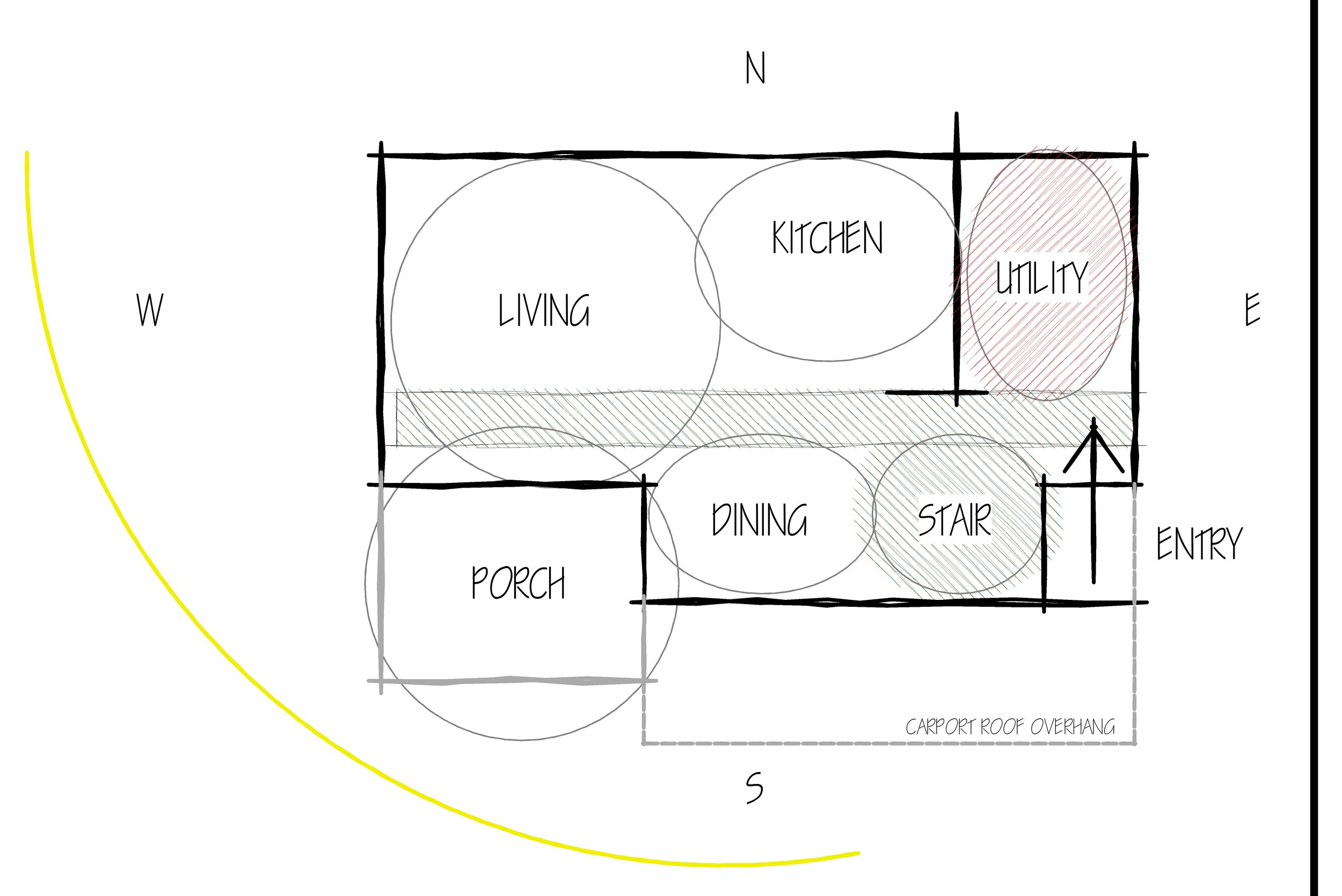
First floor space layout
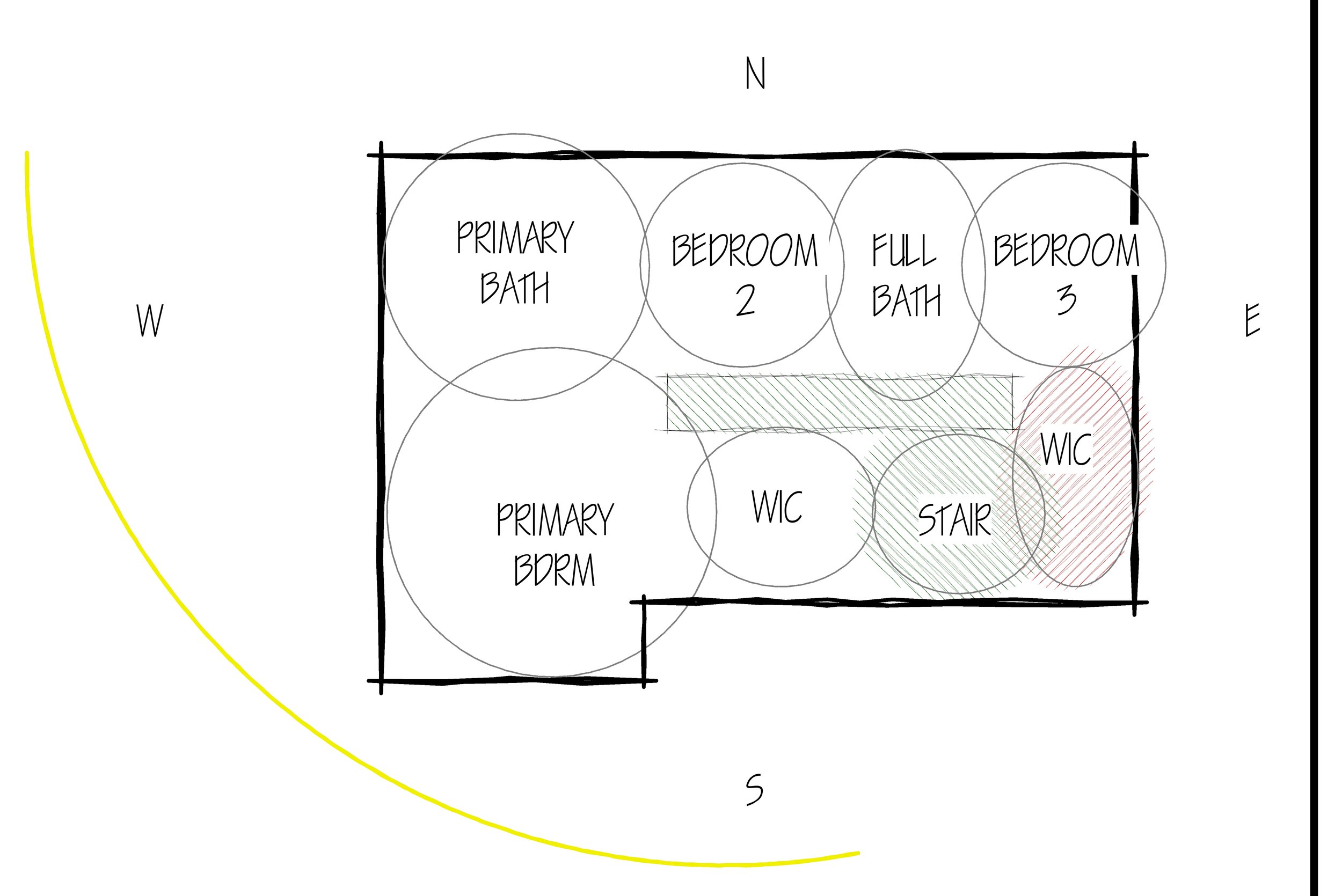
Second floor space layout
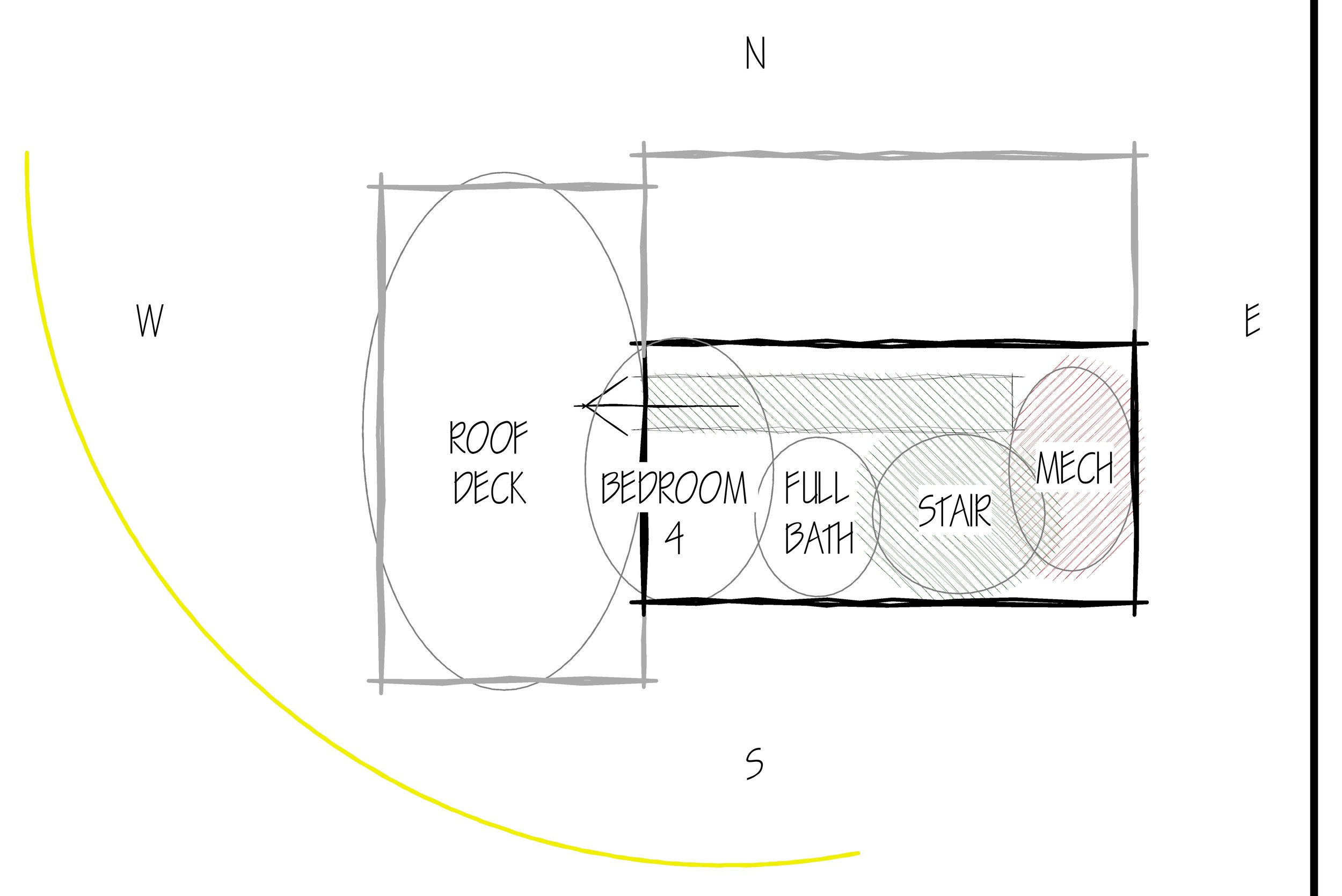
Third floor space layout